

To recognize good EVOO (Extra Virgin Olive Oil), you can evaluate three aspects: visual (color and body), olfactory, and of course, taste, which includes aromatic flavors and the aftertaste of the extra virgin oil.
Visual Aspect of EVOO
The visual aspect, which is also used by amateurs, is the least reliable because it does not consider various food frauds (oil made with old olives and then rectified, green oil obtained by adding chlorophyll, and the possibility of it being diluted, colored, etc.). For these reasons, during tastings or competitions for EVOO awards, dark glass prevents the taster from seeing the oil's color, to avoid biases.
If there have been no alterations, green indicates that the oil comes from immature olives (the taste and aroma are strong), bright gold indicates that the extra virgin oil was obtained by pressing perfectly ripe olives; a transparent yellowish color indicates poor oil quality, alterations, or overly ripe olives brought to the mill with a delay after harvesting.
Extra virgin olive oil should tend towards green: if the green is dark, it is a medium-fruity extra virgin olive oil. When the harvested olive is green, the oil leans more towards green; if the olive is very dark or black, it leans more towards yellow.
The age of the oil also affects its color. Generally, darker oil, as long as it maintains a "bright" appearance, is younger, while lighter extra virgin oil is older. The "perfect" ripeness for harvesting is between green and violet (the color the olive takes before turning black), so the color is between green and light yellow with a slight fruity aroma.
You can evaluate the density of good EVOO by letting it flow over a spoon and observing it against the light. Good extra virgin olive oil has medium body and density. If it is too thin, it may be an altered or old extra virgin olive oil. Conversely, high density is typical of oils high in polyunsaturated fatty acids, like seed oil.
The taste of good EVOO (Extra Virgin Olive Oil) should be slightly bitter and mildly spicy. The notes, aromas, and aftertaste of a good EVOO offer a fruity perception that can vary in intensity—from strong to medium to mild—depending on the maturity of the olives, the blends, and the cultivars used. To properly taste EVOO, it should be held in the mouth between the tongue and the palate (without eating beforehand) for at least 30 seconds to fully experience all the flavors.
Fruity: tastes like healthy, fresh fruit picked at the optimum point of ripeness.
Bitter: characteristic of oil from green olives.
Spicy: slightly pungent sensation is characteristic of fresh, well-preserved oil.
Sweet: pleasant flavor that predominates over the bitter and spicy.
Round: oil obtained from mature olives.
Harmonious: oil with a balanced and delicate taste.

To release the identifying aromas of EVOO, the tasting glass is held in the palm of the hand to bring the oil to the optimal tasting temperature, which is around 27/28°C. Quality extra virgin olive oil emits the scent of freshly cut grass and should have the characteristic smell of fresh olives.
An EVOO without smell is either old or counterfeit. An oil that emits a musty smell is made from olives that are in poor condition or have been poorly stored.
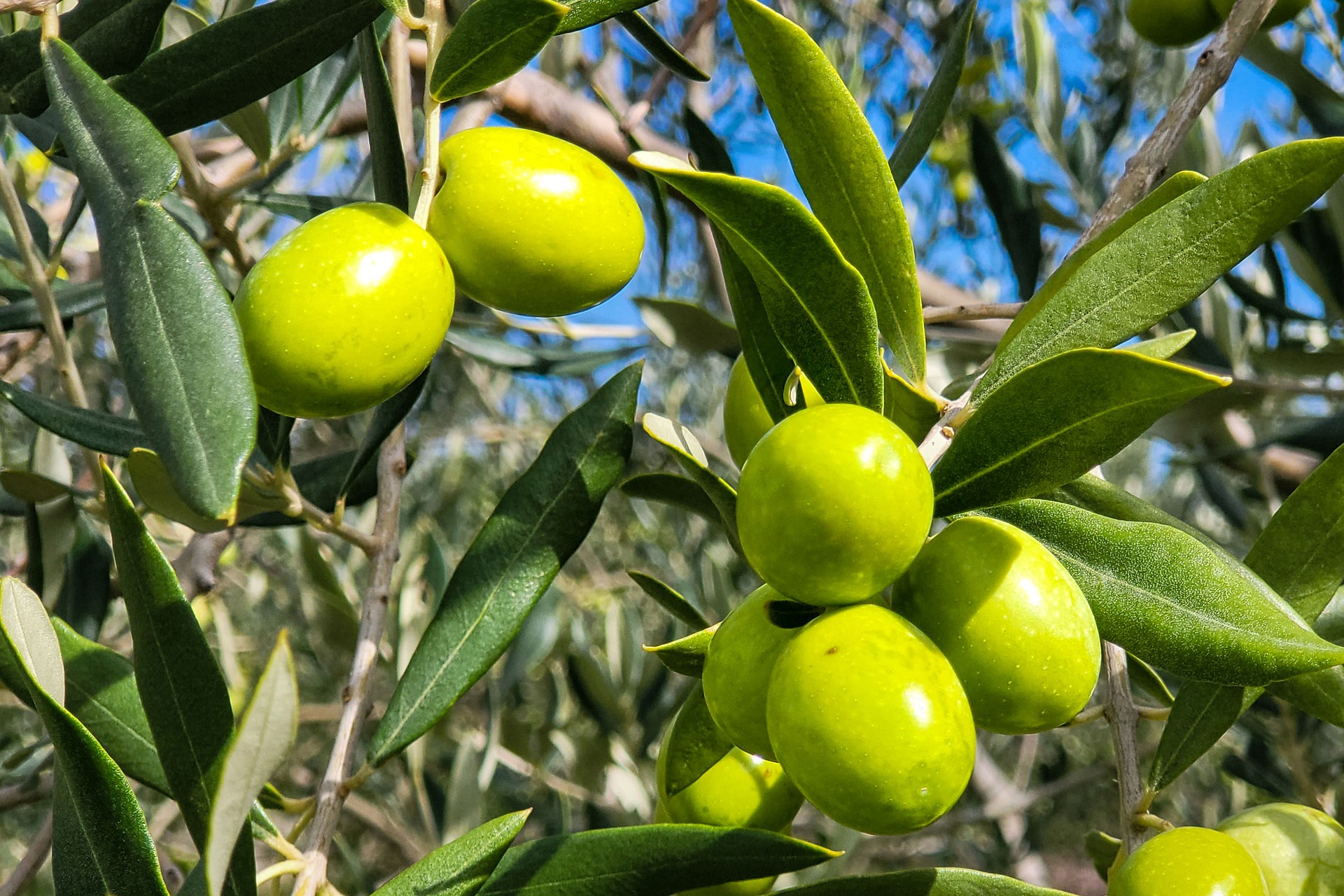
True extra virgin olive oil is the most potent antioxidant available, if it is not mixed with other oils or rectified with solvents and additives through industrial processes.
On the contrary, the daily food consumption of unsafe oil, sold at low prices and without certifications, can be risky for health in the long run.
Unfortunately, extra virgin olive oil, due to its high production cost (it takes 7 kg of olives for one liter of oil), is the most counterfeited product in the food market.
Instead of lubricating veins and arteries, industrial-derived extra virgin olive oil and that obtained from crops full of pesticides and poisons can cause circulation, pressure, cholesterol, and general metabolism problems
Low-cost extra virgin olive oil often contains synthetic products and heavy metals (which cannot be used in Organic) that, in the long run, lead to physical and psychological fatigue and premature aging.
Here you will find some useful tips to learn to know, recognize, and evaluate real extra virgin olive oil, that is, produced by squeezing the fruit and not extracted through chemical or industrial procedures (we also remind that olive oil is one of the few oils used in cooking squeezed from the fruit, because all seed oils, like peanut or sunflower, are obtained through chemical/industrial extraction process from seed).
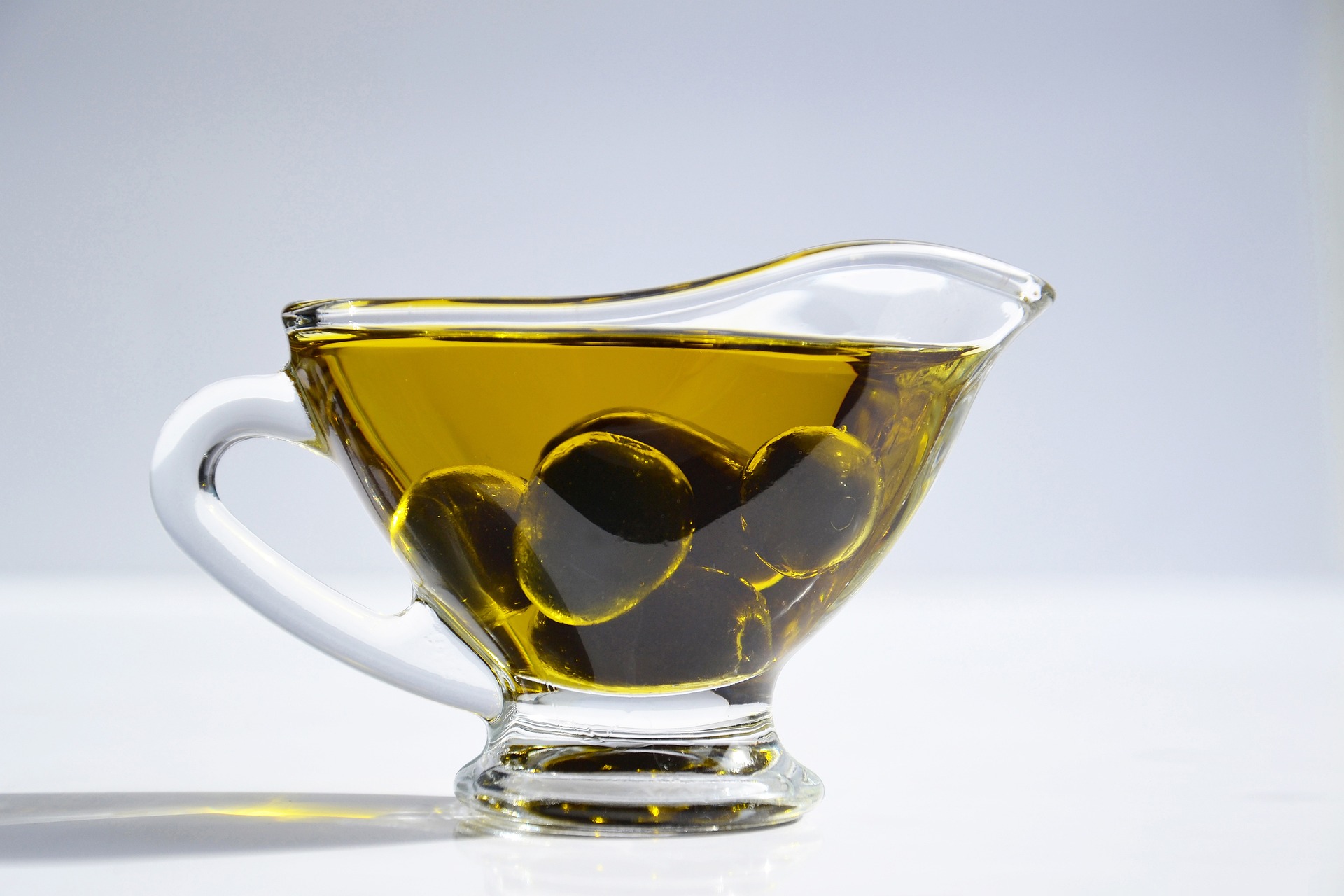
EVO oil, i.e. true extra virgin olive oil, is the pressing (called milling) of about 5 to 7 kilograms of olives per litre, done strictly by mechanical means (i.e. without chemical processes).
A detail that can make a difference is knowing that the oil has been cold-pressed; in fact, 'cold pressing' by law is indicated on the label (so if there is no indication on the label, it means that the pressing of the olives to make the oil was done hot). In fact, hot pressing produces more olive oil, but of lower quality and with fewer vitamins and polyphenols.
The EEC Regulation number 1513 of 2001 describes the different classes of olive oils and defines the basis of the classification that first and foremost defines Virgin Olive Oil, that is, oil obtained from the olive mechanically or by other physical processes, under thermal conditions that do not alter it and that has undergone no treatment other than washing, decanting, centrifuging, and filtering.
Acidity is the value with which it is determined whether olive oil is virgin or extra virgin, based on the oleic acid content. The lower the acidity, the obviously higher the quality and taste of the oil.
Based on acidity expressed in oleic acid, virgin olive oil is divided into:
REFINED Olive Oil: Refined olive oil cut with virgin olive oils, different from lampante oil, with acidity not exceeding 1%.
Pomace Olive Oil: oil obtained from the cutting of refined pomace olive oil and virgin olive oil different from lampante; acidity not exceeding 1%.
Generally, refined oils are used for the preparation of oil preserves, like canned tuna.
Obviously, in the presence of pathogenic agents, such as the olive fly, a hailstorm, or diseases of the plant, acidity can occur even before the fall of the olive.